Arnold Firearms Training

Handgun Training

Gain knowledge. Develop skills. Build confidence through calm, patient and safety-first instruction.

What’s happening in this image?

The student is moving toward cover while maintaining safe handgun control. I’m close behind, watching her hands and helping her develop movement, awareness and positioning.

  • Begin with safe firearm handling and range readiness.
  • Develop practical defensive skills through structured, hands-on training.
  • Each level builds on the one before it.

Review Your Training Level Options

Open a level to review its purpose, learning objectives, prerequisites and full course page.

LEVEL 1

Introduction to Range Use

Build a safe foundation in handgun operation, handling, range procedures and introductory live fire. No firearm is required.

Review Level

Learning Objectives

  • Apply safe firearm-handling practices
  • Identify and operate basic handgun controls
  • Verify that a handgun is unloaded
  • Follow range procedures and commands
  • Complete introductory live fire safely

Course Details

Four two-hour sessions. Blue training guns are provided. Successful completion qualifies for an AFT Oregon CHL training certificate; local application rules apply.
View Full Course
Family Training Options
  • Train together: Build shared safety habits that family members can reinforce beyond class.
  • Youth instruction: Available in AFT Intro to Range Use firearm courses.
  • Handgun eligibility: The standard minimum age is 18. Students ages 16–17 may participate with an adult family member enrolled in the same course.
  • Placement: AFT reviews readiness with each family before enrollment.
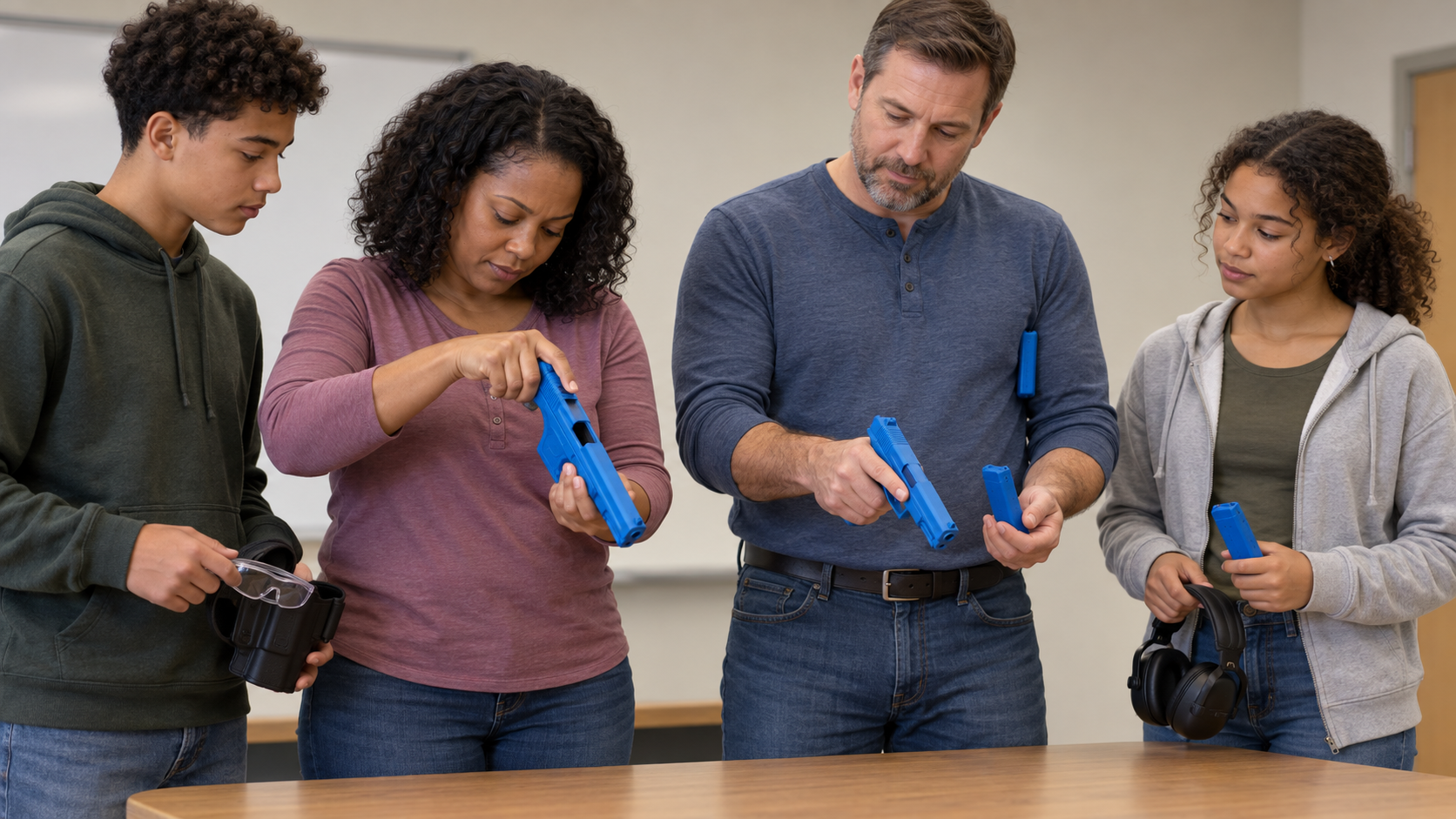
A diverse family in a supervised AFT classroom lesson using blue inert training equipment.
What’s happening in this image?

Families learn safe handgun handling together through hands-on practice, observation and encouragement. In this image, family members use blue inert training handguns to practice handling skills and learn from one another before progressing to the next training exercise.

LEVEL 2

Beginner Self-Defense

Develop situational awareness, movement, flashlight skills, use of cover and concealment, and practical defensive fundamentals.

Review Level

Learning Objectives

  • Strengthen situational awareness
  • Move purposefully during defensive scenarios
  • Recognize and use cover or concealment
  • Apply flashlight fundamentals
  • Perform basic field cleaning

Prerequisites & Equipment

Introduction to Range Use or demonstrated competence. Knee and elbow pads are required. Move, Move, Move.

View Full Course
LEVEL 3

Intermediate Self-Defense

Advance decision-making, movement and defensive positions while managing more complex real-life scenarios.

Review Level

Learning Objectives

  • Use advanced cover and concealment positions
  • Practice one- and two-handed skills
  • Improve shoot/no-shoot decisions
  • Manage adrenaline and defensive movement
  • Develop retention and disarmament fundamentals

Prerequisite

Introduction and Beginner training, or demonstrated competence. Preparation Creates Options. Options Save Lives.

View Full Course
LEVEL 4

Advanced Self-Defense

Integrate advanced handgun handling, retention, alternative reloads, injury response and coordinated movement.

Review Level

Learning Objectives

  • Apply advanced verbal commands and retention skills
  • Practice Center Axis Relock
  • Use alternative reload techniques
  • Coordinate engage-and-retreat movement
  • Respond to simulated injury limitations

Prerequisite

Introduction, Beginner and Intermediate training, or demonstrated competence.

View Full Course
LEVEL 5

Elite Self-Defense

Apply judgment, movement and adaptable handgun skills in realistic, scenario-based training.

Review Level

Learning Objectives

  • Maintain safe handgun handling amid distractions and confined spaces
  • Reassess changing conditions before acting
  • Communicate and coordinate safely with a training partner
  • Distinguish potential threats from bystanders in supervised scenarios
  • Manage stress while following range commands and safety protocols

Prerequisite

Introduction, Beginner, Intermediate and Advanced handgun training, or demonstrated equivalent competence approved by AFT. AFT reviews readiness before placement.

View Full Course
Specialized Handgun Training

Apply established skills to specific environments and circumstances. Introduction, Beginner and Intermediate training—or demonstrated competence—is required.
Public Spaces – Active Shooter Response
Inside the Home – Alone or Accompanied
Travel – Car & Airlines
Aftermath – Defensive Shooting
Range Supplies
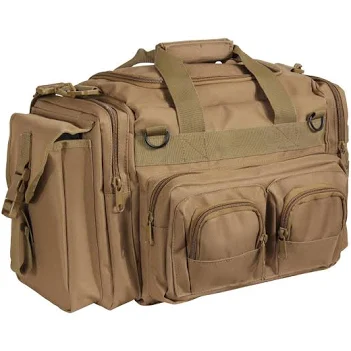
Tan range bag with multiple organized equipment compartments.

Course requirements vary, but your range bag may include:

  • Eye and hearing protection
  • Course-appropriate ammunition
  • Snap caps or inert training rounds
  • Basic handgun-cleaning equipment
  • Handheld flashlight
  • Course-specific protective gear

Exact equipment requirements are confirmed before class. Beginner Self-Defense requires knee and elbow pads.

Preferred Training Range

Ashland Gun & Archery Club

555 Emigrant Creek Road
Ashland, Oregon 97520

Range sessions are scheduled by appointment as part of your confirmed AFT course.

Map & Directions

Questions Before You Apply?

AFT vets every student by phone or in person and will help determine the appropriate starting level.

Contact AFT

AFT Course Interest & Registration

Tell us which handgun training interests you. AFT will follow up to discuss your experience, goals and scheduling options.

Open Course Interest & Registration